

Last updated: August 2026 | Researched and reviewed by Daniel Etheridge, CRNA
La Roche’s nurse anesthesia program is a 36-month, entry-level DNAP in Pittsburgh’s North Hills, starting each August.
It costs about $110,000 all-in at 2026-27 rates, and its ICU experience minimum is one year of adult critical care.
But you deserve the whole picture, so here it is up front: the program’s first graduating cohort posted a 77% first-time pass rate on the national certification exam.
That’s below the national average, it comes from a single small cohort, and it’s the number to watch. Let’s dig into all of it.
Key Takeaways
- ≈$110K all-in at 2026-27 rates — tuition plus fees; private, so every state pays the same
- Only 1 year of adult ICU required (within the last 5 years); CCRN and shadowing are required
- First-cohort outcomes: 77% first-time NCE pass, 100% employed within 6 months, 12.5% attrition
- 2027 applications close September 1, 2026 — the clock is running
La Roche Nurse Anesthesia Program at a Glance
| Degree | DNAP (entry level) |
| Length | 36 months (9 consecutive terms) |
| Credits | 89 |
| Location | Pittsburgh, PA — North Hills campus, 9000 Babcock Blvd. |
| Class starts | August (one cohort per year) |
| Application deadline | September 1, 2026 (2027 cohort; opened May 1, 2026) |
| Est. total program cost | ≈$110,400 (2026-27 rates; private — all states pay the same) |
| GRE / CCRN | GRE not listed · CCRN REQUIRED |
| Employment | 100% employed within 6 months (first cohort); 77% first-time NCE pass |
| Accreditation | COA-accredited (next review October 2027) |
La Roche is one of 17 CRNA programs in Pennsylvania (soon to be 15 — two are closing in 2026). In Pittsburgh, it sits alongside the University of Pittsburgh and Duquesne’s new DNP as the city’s three ongoing programs.
⚠️ Don’t confuse La Roche with the closing Allegheny School of Anesthesia. Decades ago, a hospital-based program operated as the “Allegheny Valley Hospital/La Roche College School of Nurse Anesthesia.” It split from La Roche in 2014, became the Allegheny School of Anesthesia, and that separate program is closing August 31, 2026.
La Roche’s own university-based DNAP — this page — launched in Fall 2022, is fully accredited, and is actively admitting. Old forum posts often mix the two up.
Why La Roche Stands Out
Price first. At about $110,000 all-in, the doctorate here costs less than many applicants expect — and that number is built from La Roche’s own published rates, not estimates.
The credential at the end is the same NCE-tested CRNA certification from the NBCRNA. Against a national average CRNA salary of $248,320 (BLS, May 2025), the payback math is fast.
Second, access. One year of full-time adult ICU experience is the floor here, where two years is the more common requirement.
If you’re a strong nurse 14 months into a high-acuity unit, La Roche is one of the few doors already open.
Third, the setting. The campus sits on Babcock Boulevard in Pittsburgh’s North Hills — suburban, parkable, and 20 minutes from downtown. For nurses in the northern suburbs, it’s a commute, not a relocation.
Getting Accepted: What It Actually Takes
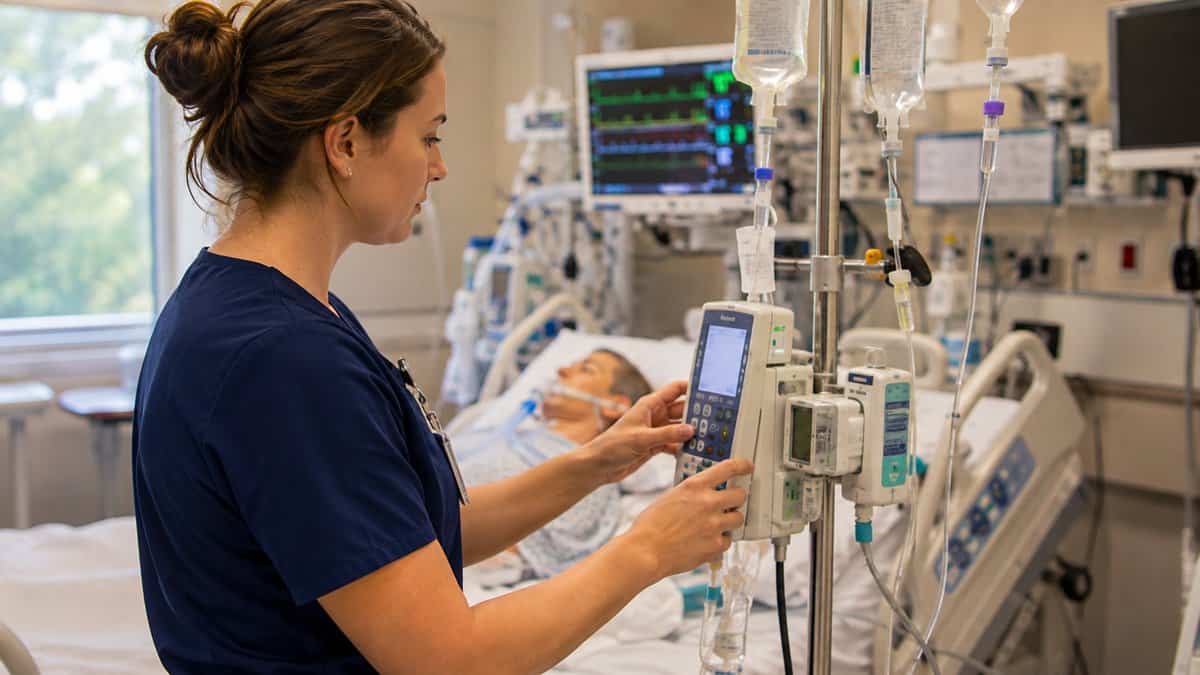
The published list: a BSN or MSN from an accredited program, undergraduate GPA of at least 3.2, and a minimum of one year of full-time adult ICU experience within the last five years.
Certifications are non-negotiable: CCRN required, plus current BLS, ACLS, and PALS. That CCRN requirement quietly raises the bar that the one-year ICU minimum lowers — you’ll need real ICU knowledge to pass it.
Prerequisites: chemistry, microbiology or anatomy & physiology, statistics, and a research course — three credits each, minimum B, completed within the last ten years.
Then the paperwork: three letters of recommendation, one of which must come from a critical-care supervisor, a 500-word career-goals essay, and documented shadowing — La Roche wants the date, place, and types of cases you observed. The GRE isn’t on the list.
One honest note: a one-year minimum doesn’t make one year competitive. If you apply at the floor, your CCRN score, GPA, shadowing log, and letters have to carry the file.
The Financial Reality: About $110,000 All-In
Here’s the math at the 2026-27 rates La Roche posted for the incoming cohort. DNAP coursework runs $1,134 per credit across 89 credits — $100,926 in tuition.
Add the $3,144 DNAP fee each fall (it funds the simulation lab) and small graduate fees, and the realistic all-in academic cost lands around $110,400.
La Roche doesn’t publish an official program total, so get the current rate in writing from the program before you sign.
The hidden costs are the same everywhere: books and equipment, board review ($1,500–$3,000), the NCE fee, licensing, background checks, and three years of sharply reduced income.
The Outcomes Question: Let’s Talk About 77%
La Roche publishes its numbers, and credit to them for that. First-time NCE pass rate: 77%. Employment within six months: 100%. Attrition: 12.5%.
Context matters. These figures come from the program’s first graduating cohort — the students who enrolled when the DNAP launched in Fall 2022.
The national first-time pass average typically runs in the mid-80s, so 77% is below par, plainly.
But a first cohort is a small sample. A class of 15 means three or four students failing on the first try produces exactly this kind of number, and every graduate still found work within six months.
What should you do with that? Ask the program directly how the most recent cohort performed and what changed in NCE preparation since.
A program that answers that question openly is telling you something good. One that dodges it is telling you something too.
Student Experience
The program runs nine consecutive terms — fall, spring, and summer for three straight years, starting each August.
COA lists the program as offering some distance education, so expect a mix of online and on-campus delivery; ask the program for the actual weekly rhythm.
La Roche is a small Catholic university, and the anesthesia program reflects that scale. You won’t be anonymous.
Program director Dr. Melody Vetica’s team is small enough that students deal with decision-makers directly.
Plan on not working. Between coursework, simulation in the lab that $3,144 fee funds, and clinical rotations, this is a full-time-plus commitment like every entry-level anesthesia program.
Location & Cost of Living in Pittsburgh’s North Hills

The campus at 9000 Babcock Boulevard sits in the North Hills, about 20 minutes from downtown Pittsburgh by car. This is suburban Pittsburgh — you’ll want a car, and parking is a non-issue.
The cost of living is a quiet second discount. Pittsburgh one-bedrooms run about $1,375 a month at the median (Zumper, June 2026), and North Hills suburbs like Ross Township and West View often come in below that.
Rent in the North Hills tends to run below the citywide median, which keeps three years of living costs manageable.
Nurses already living in the North Hills, Cranberry, or Wexford may not need to move at all.
Application Strategy: The Clock Is Running
Right now (if you’re targeting 2027 entry): The window closes September 1, 2026. If your CCRN is current, your ICU year is banked, and your prerequisites are clean, this is sprint territory.
Request transcripts this week, brief your three recommenders today (the critical-care supervisor letter is mandatory), and get your shadowing documented with dates, places, and case types.
If you’re targeting 2028 (window likely opens May 2027):
18 months out: Get into an adult ICU — remember, La Roche’s wording says adult critical care, so PICU/NICU nurses should confirm eligibility before planning around this program. Book shadowing days and log them properly.
12 months out: Pass the CCRN — it’s required, so it can’t wait. Verify your statistics and research prerequisites are within the ten-year window. Start cultivating the supervisor letter.
6 months out: Draft the 500-word essay around one patient story and why anesthesia. Submit early in the May–September window, not at the buzzer.
The Interview
La Roche interviews by invitation, and meeting the requirements doesn’t guarantee one — the program says so explicitly. Expect clinical depth questions on your ICU patients: the hemodynamics, the drips, the decisions.
Two prepared answers will serve you well here. First, why you’re ready with your experience level, if you’re applying near the one-year minimum.
Second, what you make of the program’s pass-rate trajectory — asking about it thoughtfully shows you did your homework and that you plan to be part of fixing it.
Clinical Training
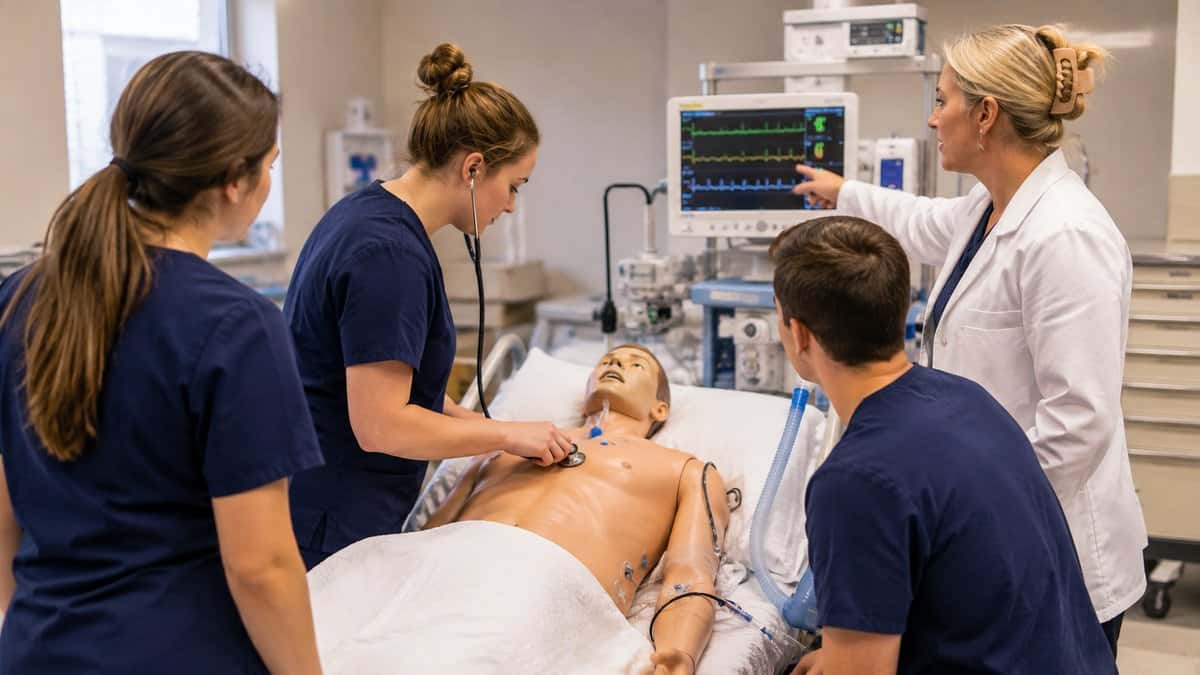
La Roche doesn’t publish its clinical site list, case counts, or total hours on the public pages. The program meets COA doctoral standards, which set national minimums for cases and hours, but you should get specifics directly.
Ask for the current site list, the typical commute radius, and the case mix the last cohort logged — regional anesthesia, OB, cardiac, pediatrics.
In a smaller program, where you rotate matters even more, and the program’s transparency in answering will tell you plenty.
Is La Roche Right for You? An Honest Assessment
La Roche is a great fit if you:
- Want a CRNA doctorate priced around $110K all-in
- Have 1–2 years of adult ICU experience and are ready to apply now
- Hold your CCRN or can pass it before the deadline — it’s required, not optional
- Live in Pittsburgh’s northern suburbs and want a commute instead of a relocation
- Prefer a small program where faculty know your name by week two
- Value published-and-owned outcomes over polished marketing — La Roche posts its numbers plainly
- Are motivated by a fast debt-to-income turnaround against a $248K average salary
Consider other options if you:
- Want a strong published NCE track record — the first cohort’s 77% first-time rate is below the national average, and there’s only one cohort of data
- Are a PICU or NICU nurse — the requirement reads “adult ICU,” so confirm your eligibility with the program first
- Want a program with a large, long-established alumni network
- Need published class sizes, clinical site lists, and case counts before committing
- Can’t produce three letters including a critical-care supervisor, or documented shadowing, by September 1
- Prefer a large university’s resources and brand over a small college’s intimacy
- Would pay a premium for an established program’s predictability
The honest bottom line: accreditation is clean (next COA review October 2027), the price is documented plainly, and the program publishes its outcomes without spin — including the one that stings.
The 77% is a real yellow flag from a small first sample, not a red one. If the next cohort’s number climbs, the value case here gets even stronger.
Frequently Asked Questions
Is La Roche a good CRNA program?
It’s an affordable, fully accredited program with one caveat. COA-accredited (next review October 2027), about $110,000 all-in, a one-year adult ICU minimum, and 100% of its first graduates employed within six months.
The caveat: that first cohort posted a 77% first-time NCE pass rate, below the national average.
How much does the La Roche CRNA program cost?
Roughly $110,400 all-in at 2026-27 rates: $1,134 per credit across 89 credits ($100,926 tuition) plus a $3,144 annual fall fee funding the simulation lab.
How much ICU experience does La Roche CRNA require?
A minimum of one year of current full-time adult ICU or critical-care experience, gained within the last five years — lower than the two years many programs ask for.
You’ll also need CCRN certification, BLS/ACLS/PALS, a 3.2 undergraduate GPA, documented shadowing, and three recommendation letters.
When is the La Roche CRNA application deadline?
September 1, 2026, for the 2027 cohort — the window opened May 1, 2026.
The program admits one August-start class per year, so if you miss this window, plan on the cycle opening around May 2027 for 2028 entry.
Is La Roche’s CRNA program connected to the Allegheny School of Anesthesia?
Not anymore — and the distinction matters. The old hospital-based joint program split from La Roche in 2014 and became the Allegheny School of Anesthesia, which is closing August 31, 2026.
La Roche’s own university-based DNAP launched in Fall 2022, is fully accredited, and is actively admitting. La Roche also offers a separate completion doctorate for practicing CRNAs, which is a different track.
Next Steps
If La Roche is on your list for 2027: the deadline is September 1, 2026, so move this week — transcripts, three letters (critical-care supervisor included), CCRN verification, documented shadowing, and the 500-word essay. Questions go to the program at (412) 536-1267.
If you’re building toward 2028: bank your adult ICU year, pass the CCRN, and use the time to compare against the other Pennsylvania CRNA programs.
Ask La Roche for its newest pass-rate data before you decide; the answer to that one question should weigh heavily.
Contact the program
La Roche University Nurse Anesthesia Program
Program Director: Melody Vetica, MSN, DNP, CRNA (melody.vetica@laroche.edu)
Program contact: Christine Wittebort, DNAP, CRNA (christine.wittebort@laroche.edu)
9000 Babcock Blvd., Pittsburgh, PA 15237 · (412) 536-1267
Graduate admissions: graduateadmissions@laroche.edu
Official page: laroche.edu — DNAP Doctorate Program
Accreditation: Council on Accreditation (COA) · Salary data: BLS OEWS