Tag: CRNA

  • How Long Is CRNA School?

    How Long Is CRNA School?

    Are you thinking of enrolling in an accredited nurse anesthesia educational program? Then you might be wondering how long it will take to complete CRNA school. 

    Every accredited CRNA program today is a doctorate (DNP or DNAP) — the master’s route no longer exists for new students. Programs run 36 to 51 months of full-time study, and most take 36 months. Counting a 4-year BSN and 1–3 years of ICU experience, plan on roughly 8–10 years from freshman year to CRNA.

    Last updated: July 2026 · Program counts and lengths verified against the COA accredited-programs list (March 6, 2026) and AANA’s Become-a-CRNA page.

    StepTypical Time
    BSN degree4 years
    NCLEX-RN licensureA few weeks after graduation
    Critical care (ICU) experience1–3 years
    Doctoral nurse anesthesia program (DNP or DNAP)3–4.25 years
    NCE + state licensureA few weeks
    TotalAbout 8–10 years

    Pursuing a CRNA career may take some time, but it’s worth it. If you’re planning on making this your career specialty, then make sure to read the helpful details below.
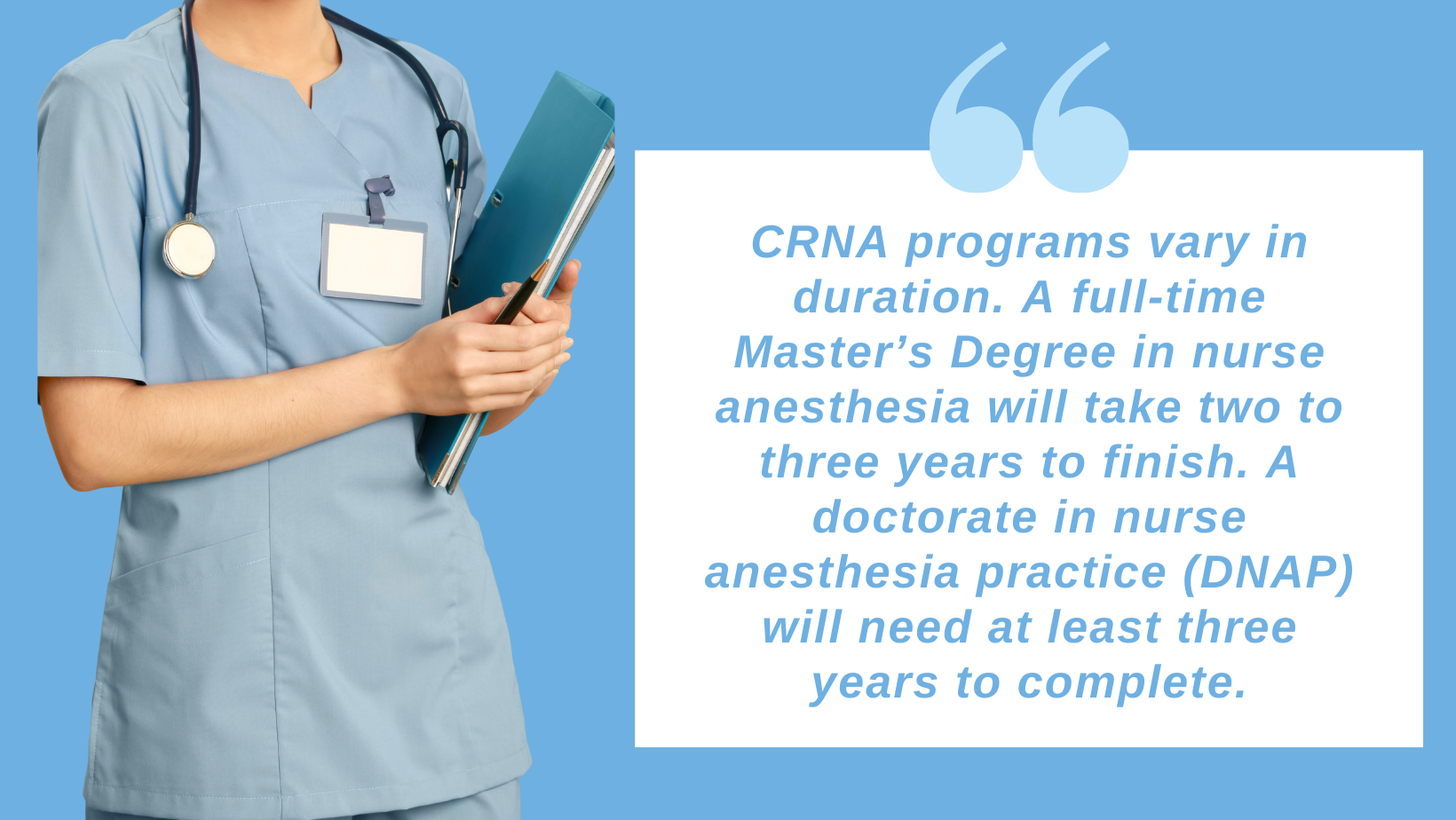
    Requirements to become a CRNA

    How Long is a CRNA Program?

    Accredited nurse anesthesia programs take 36 to 51 months to complete — three years for most. Every program is a full-time doctorate (DNP or DNAP).

    How long yours takes depends mostly on the university — the COA lists program lengths from 36 to 51 months. What doesn’t vary: it’s a doctorate, and it’s full time.
    How Long to Complete CRNA School

    BSN to DNP or DNAP: 36–51 Months (the Only Path Today)

    Since January 1, 2022, the Council on Accreditation (COA) has required every new nurse anesthesia student to enroll in a doctoral program — a DNP or DNAP. Master’s entry programs have fully phased out.

    Most programs run 36 months of continuous, full-time study; some stretch to 51 months depending on the university. There’s no part-time option — plan for three intense years.

    Already a Master’s-Prepared CRNA? Completion DNP: One to Two Years

    Practicing CRNAs who trained in the master’s era can upgrade with a completion DNP or DNAP. This is a degree top-up for working CRNAs — not a way to become one.

    Full time, a completion doctorate takes one to two years, and many run online so you can keep working while you study.


    How Can I Become a CRNA Fast?

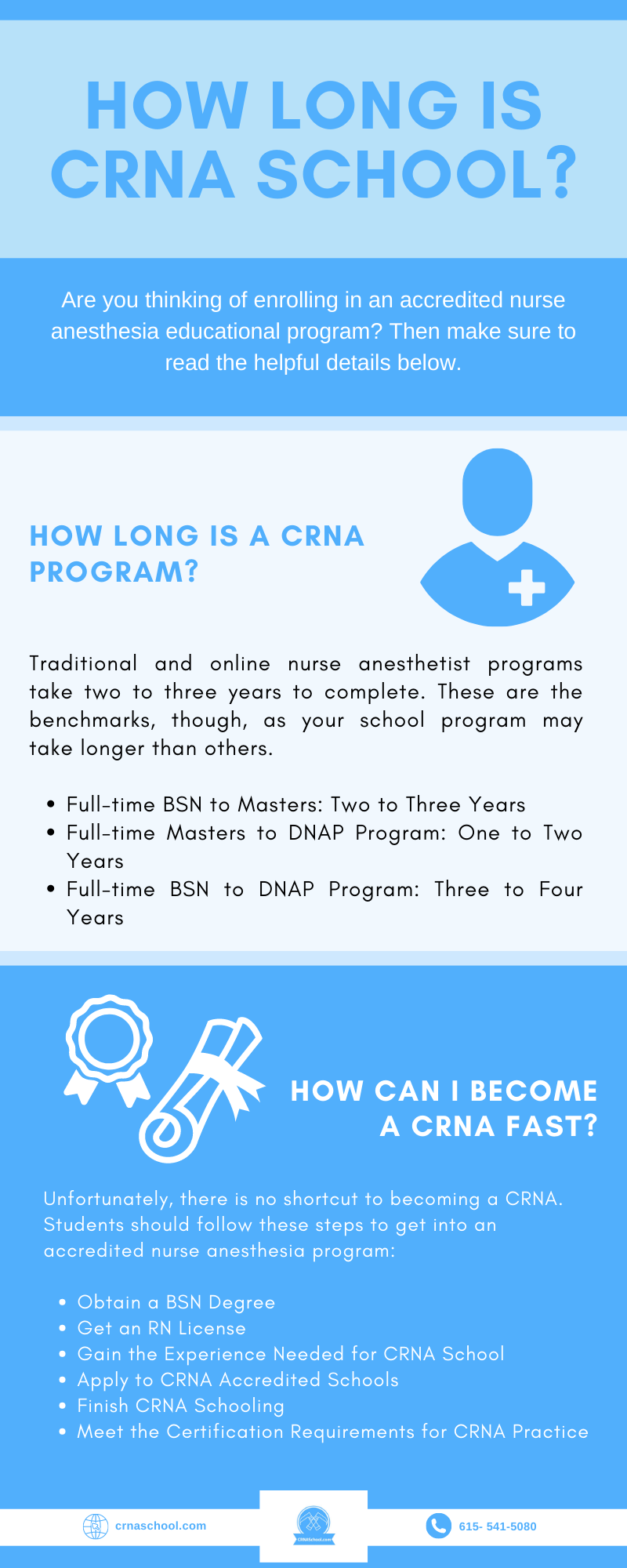
    Unfortunately, there is no shortcut to becoming a CRNA. Students should follow these steps to get into an accredited nurse anesthesia program:

    1. Obtain a BSN Degree

    A BSN is one of the main requirements for nurse anesthesia educational programs. If you are a licensed RN with an associate’s degree, you will need to take an RN to BSN degree. 

    If you already have a non-nursing bachelor’s degree, you can take an accelerated BSN program.

    2. Get an RN License

    If you took the RN to BSN program, you may skip this step.

    BSN and accelerated program graduates, however, need to take the NCLEX-RN to get a license. It is a computerized exam that will gauge the knowledge you’ve earned from nursing school. 

    Remember: you can’t become a CRNA if you are not a licensed RN. 
    How Long to Complete CRNA School

    3. Gain the Experience Needed for CRNA School

    Budding CRNAs need critical care experience to handle the complexities of nurse anesthesia practice. The COA minimum is one year of full-time critical care, but competitive applicants typically bring two to three years — and some programs require two outright.

    Which ICU Experience is Best for CRNA? 

    Budding CRNAs should go for ICU or coronary care unit experience. Since not all ICU experiences are equal, it’s best to work in a unit where you’ll  get experience in: 

    • Hemodynamic monitoring
    • Invasive lines 
    • Vasoactive infusions
    • Ventilator support
    • Continuous electrocardiogram monitoring

    Duration of CRNA Program

    4. Apply to CRNA Accredited Schools

    In the US, you can apply to any of the 155 COA-accredited nurse anesthesia programs (March 2026 list) — every one of them awards a doctorate. Not sure about timing? See our guide on when to apply to CRNA school.

    What GPA Do CRNA Schools Look at?

    Requirements vary according to school, though most set a minimum GPA of 3.0. Given the competitive nature of such programs, you have better chances if you have a GPA of at least 3.5. 

    How Do I Get Into CRNA With a Low GPA?

    Even if you don’t meet the threshold, you can still make your CRNA dreams come true. All you need to do is follow these tips for getting into nurse anesthesia school: 

    • Tell your story

    You may have valid reasons why your GPA doesn’t meet the school’s requirements. It will help to talk about the trials and tribulations you’ve faced en route to becoming an RN. This will show the school that you’re determined and resilient – qualities a CRNA should possess. 

    • Take graduate-level courses

    This is recommended if you finished your BSN more than five years ago. This will show that even if you have a low GPA, you’re trying to improve yourself.

    • Get the best experience possible

    Schools will accept experience in any adult ICU setting. However, it pays to get the most comprehensive experience possible. 

    If you work in a small-town ICU, it will help to transfer to a bigger hospital with more challenging cases.

    • Work towards a good GRE grade

    Not all CRNA schools require a GRE, but some do. If you want to enter an institution that requires this, then you have to study well. You need to have a score of 300 or better to boost your chances of getting into a CRNA program. 

    CRNA Schooling

    5. Finish CRNA Schooling

    CRNA school helps prepare you for the challenging life ahead. To do so, you will need to finish several courses and clinical rotations. 

    During the first year, you will need to study basic science subjects. You will have to complete pharmacology and anesthesiology courses as well. 

    By the second year, you will be able to hone your skills through CRNA residency. 

    As a student registered nurse anesthetist, you’ll get hands-on practice. Duties include preparing the OR and administering anesthesia (under a CRNA.) By graduation, nurse anesthesia students average 9,432 hours of clinical experience (AANA, 2025) — which is exactly why these years feel so demanding.

    6. Meet the Certification Requirements for CRNA Practice

    After you finish CRNA school, you can take the National Certification Exam. It is designed to test the knowledge and abilities expected of entry-level CRNAs.

    After taking the test, you may get a preliminary result at the test center. However, you will need the official test results to apply. You should receive this notification two to four weeks after your test. 


    Conclusion

    The length of CRNA school depends on the program and the units you take. 

    A BSN-to-doctorate program takes 36 to 51 months of full-time study — most finish in three years. From starting your BSN to passing the NCE, the full journey usually runs 8 to 10 years.

    Already a master’s-prepared CRNA? A completion doctorate adds one to two more years.

    Whatever program you opt to take, the requirements for schooling remain the same. You need to have a BSN degree, an RN license, and relevant ICU experience to get into a CRNA school. 


  • Can I Become a Nurse Anesthetist Without a BSN?

    Can I Become a Nurse Anesthetist Without a BSN?

    Many people without a BSN degree want to become nurse anesthetists. The question is, is it possible? 

    A BSN is a requirement to enter CRNA accredited schools. Practicing nurses with an Associate’s degree may get this by taking an RN-to-BSN program. Those with a non-nursing degree may take an accelerated BSN program. 

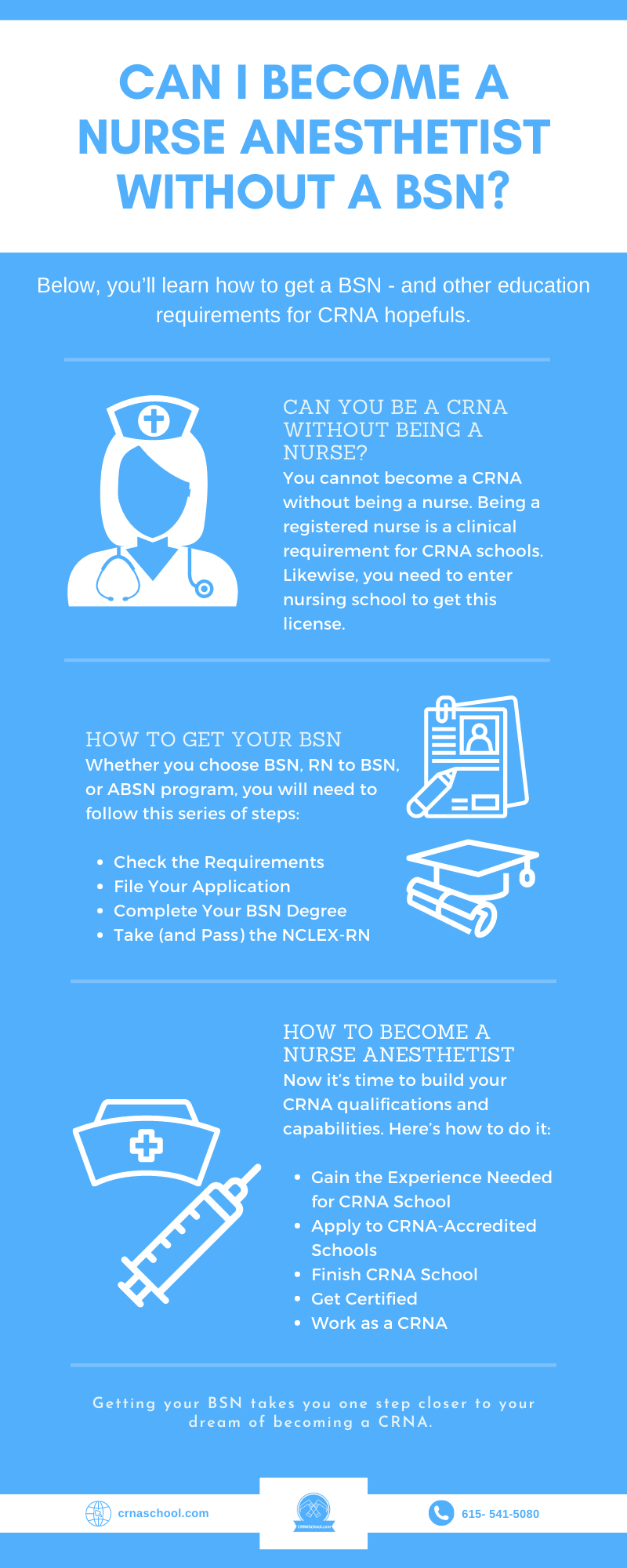
    Below, you’ll learn how to get a BSN – and other education requirements for CRNA hopefuls. 

    Tips to Become a Nurse Anesthetist

    Can You Be a CRNA Without Being a Nurse? 

    You cannot become a CRNA without being a nurse. Being a registered nurse is a clinical requirement for CRNA schools. Likewise, you need to enter nursing school to get this license.

    While you can do this with an associate’s degree in nursing (ADN), it’s better to get a BSN. It is one of the primary education requirements for CRNA schools. 

    If you’re about to go to college, your best choice is a four-year BSN program. 

    But if you have an ADN – or if you have another bachelor’s degree – you may take any of these two pathways:

    RN to BSN Program

    This program is designed for licensed RNs with an associate’s degree. You can finish this in one to two years, though you can take a bridge program that only takes nine to twelve months.

    Additionally, you may complete an RN to BSN program online. That means you can still work while completing your degree. 

    Accelerated BSN (ABSN) Program 

    Another pathway to becoming a nurse anesthetist is the accelerated BSN program. True to its name, you can get your BSN in as fast as eleven months. 

    The ABSN program aims to cater to Bachelor’s degree holders in other fields. Because of its faster pace, it will be harder to juggle work while you complete this program.

    Can I Become a CRNA without a BSN degree?

    How to Get Your BSN

    Whether you choose BSN, RN to BSN, or ABSN program, you will need to follow this series of steps:

    1. Check the Requirements 

    You need to have a GPA of at least 2.75 to enter nursing.

    Additionally, you should have finished pre-requisite coursework. 

    If you already have a bachelor’s degree, you need to take courses in Chemistry, Anatomy & Physiology, Microbiology, and Statistics. 

    If you only have an ADN, you will need to complete more subjects. Apart from the courses above, you also need to take:

    • College math
    • English
    • Humanities
    • General psychology
    • General sociology
    • Other electives 

    2. File Your Application

    To gain admission to a BSN program, you need to prepare the following:

    • Completed application form
    • Copy of GPA

    Depending on the school, you may need to prepare other documents. Additionally, you may need to take a test or attend an interview as well. 

    Once you have completed these requirements, you may proceed with the next step.

    3. Complete Your BSN Degree

    Depending on your program, it may take you a year to four years to finish your BSN.

    Although curriculums vary, most institutions cover the following courses:

    • Nursing theory concepts 
    • Simulation and skills laboratories
    • Clinical rotations 

    4. Take (and Pass) the NCLEX-RN

    If you’re an ADN graduate who’s already licensed and practicing, then you may skip this step. 

    But if you’re a traditional BSN or ABSN student, you may take this test as early as 45 days after your graduation. 

    How can someone with ADN become a CRNA?

    How to Become a Nurse Anesthetist

    Now it’s time to build your CRNA qualifications and capabilities. Here’s how to do it: 

    1. Gain the Experience Needed for CRNA School

    You need to have critical care experience to get into a nurse anesthetist program. 

    If you have experience before pursuing a BSN degree, you can count that in your application. 

    If not, you need to have at least a year’s worth of work experience in the MICU, SICU, or CCU to enter. 

    Do note that a year is only the bare minimum. Most applicants have at least two to five years of critical care experience. 

    Apart from this, some programs require at least 8 hours of CRNA shadowing. Schools may ask for your BLS, ACLS, and PALS certifications as well. 

    2. Apply to CRNA-Accredited Schools

    Once you’ve met the clinical requirement for CRNA school, you may go ahead and apply. 

    The entry requirements are similar to what you submitted to nursing school. However, an accredited nurse anesthesia educational program will also ask for the following:

    • Resume or curriculum vitae
    • Transcript of records 
    • Letters of recommendation
    • Essays 

    Shortlisted applicants may need to undergo interviews as well. 

    What GPA Do You Need for CRNA School?

    Compared to BSN programs, CRNA schools require a higher GPA of 3.0. You may, however, improve your chance of admission by having a GPA of 3.5 or higher.

    Ways to Have A Bachelor of Science in Nursing Degree

    3. Finish CRNA School  

    Whether it’s traditional or online nurse anesthetist programs, you need to complete these:

    • Principles of CRNA practice
    • Biostatistics and Epidemiology
    • Research
    • Healthcare policy and ethics
    • Informatics
    • Leadership and management
    • Advanced nurse anesthesia courses
    • CRNA residency

    How Long is CRNA School? 

    The years you take up in a CRNA school will depend on the program you plan to take. You will need another two years to finish your Master’s in Nurse Anesthesia. This is on top of the BSN course you have already completed. 

    A DNP/DNAP program, on the other hand, will take you another 3-4 years.

    Do You Need a DNP to be a CRNA? 

    You don’t need a DNP to be a CRNA because you can become one with only a Master’s degree.

    It is recommended, however, that you take a DNP.

    In the year 2025, a doctorate will be the minimum education requirement for CRNA practice. So if you only have a Master’s degree, you will need to undergo more schooling to continue working as a CRNA. 

    4. Get Certified 

    After finishing an accredited nurse anesthesia program, you may finally apply for certification. You will do this by taking the NCE test.

    You are eligible if you meet these two nurse anesthetist certification requirements: 

    • Active, unrestricted RN license 
    • Completion of a CRNA program (with a record of academic and clinical experience)

    The NCE is a computer-adaptive test administered by the NBCRNA. It includes a minimum of 100 questions (maximum 170) in the following formats:

    • Multiple choice 
    • Calculation
    • Drag and drop
    • Hotspot 
    • Video or graphics

    Each examinee may only take the test for a maximum of three hours. 

    Before you exit the test center, you will already receive a preliminary report of your exam (pass or fail). You can expect the official results to come in two to four weeks after the test. 

    Primary requirement to be a Nurse Anesthetist

    5. Work as a CRNA

    Once you pass the NCE, you can finally work as a CRNA. That means you’re certified to: 

    • Determine the best anesthetic plan for the client
    • Prepare the operating room for anesthesia induction
    • Administer the necessary anesthetic drugs
    • Monitor the patients during and after the procedure. 

    As with other disciplines, you need to recertify your skills to keep on working as a CRNA. To do so, you need to meet the following requirements during the first four years of your practice:

    • 60 Class A Credits
    • 40 Class B Credits
    • 4 Core Modules

    Final Words

    Getting your BSN takes you one step closer to your dream of becoming a CRNA. 

    As such, you need to enroll in an RN to BSN program if you only have an ADN.

    An ABSN, on the other hand, will suit you if you already have a bachelor’s degree. 

    Doing any of these will help you meet the education requirements for CRNA schooling. 

  • How Long Is Certified Registered Nurse Anesthetist School Training?

    How Long Is Certified Registered Nurse Anesthetist School Training?

    Undergoing didactic and clinical OR time in nurse anesthesiology school helps prepare students for the professional life ahead.

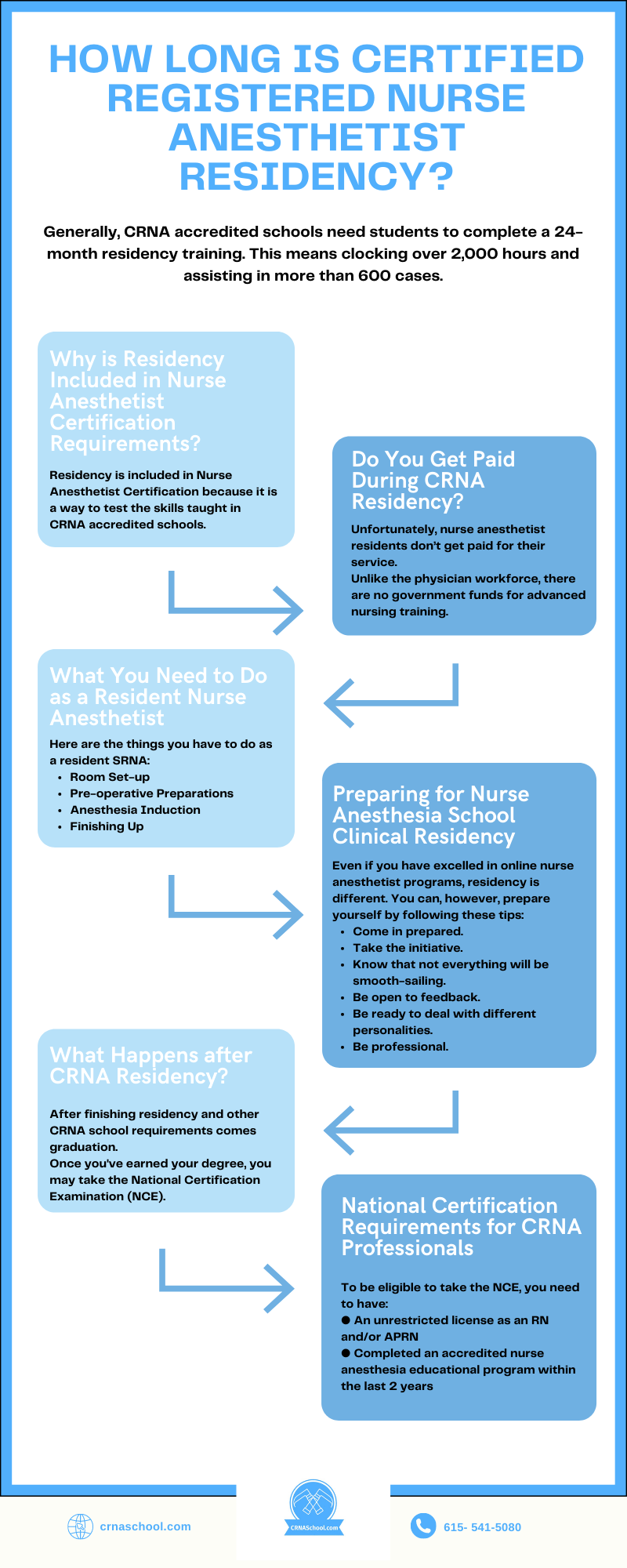
    Generally, CRNA accredited schools need students to complete a minimum of 24-month residency training. This means clocking over 2,000 hours and assisting in more than 600 cases.

    Learn more about the nurse anesthetist training below.

    How Long it Takes for a CRNA Residency

    Why is Residency Included in Nurse Anesthetist Certification Requirements?

    Residency is included in Nurse Anesthetist Certification because it is a way to test the skills taught in CRNA accredited schools.

    During this time, residents deal with different types of anesthesia and surgical procedures.

    While residency is all about refining skills, it also requires good assessment. Critical thinking skills and sound judgment are imperative as well. After all, you will need to manage the client’s medical and psychosocial needs.


    Do You Get Paid During CRNA Residency?

    Unfortunately, nurse anesthetist residents don’t get paid for their service.

    Unlike the physician workforce, there are no government funds for advanced nursing training.

    Despite this setback, some institutions offer stipends to CRNA residents.

    Residency in Nurse Anesthetist Certification Requirements

    What You Need to Do as a Resident Nurse Anesthetist

    Here are the things you have to do as a resident SRNA:

    1. Room Set-up

    Like any other day at work, preparation is important.

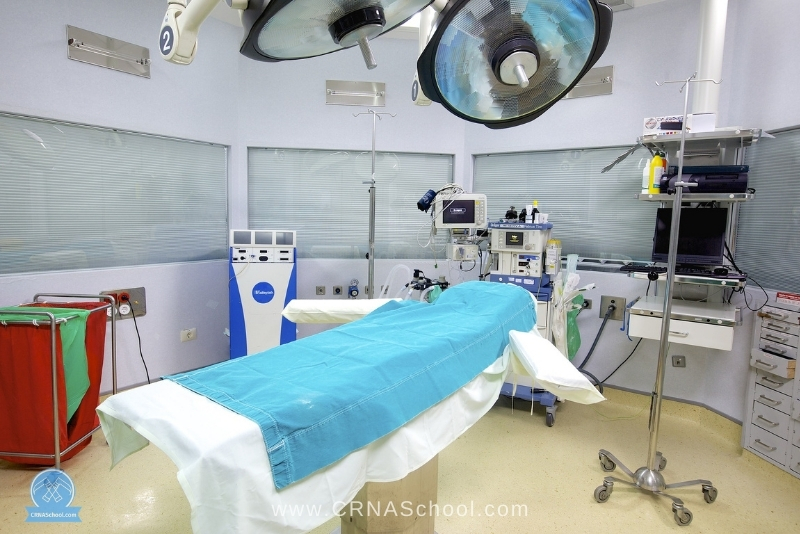
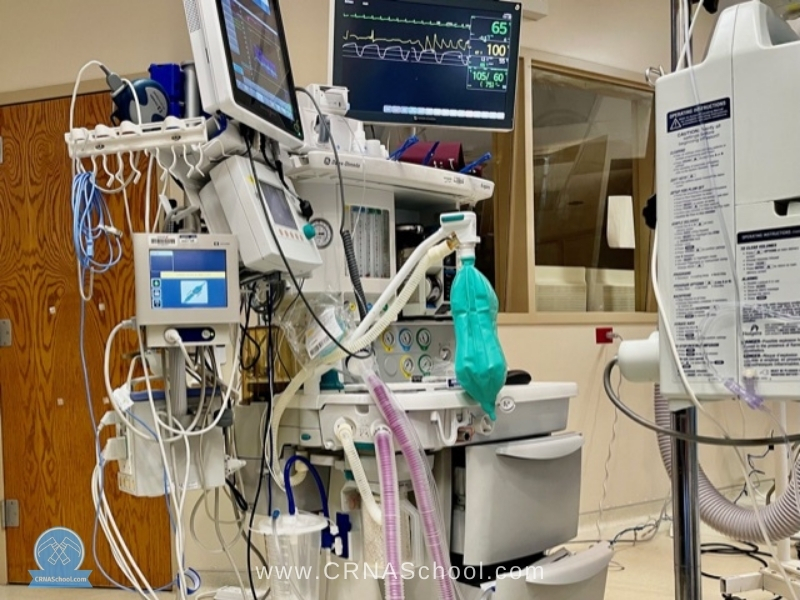
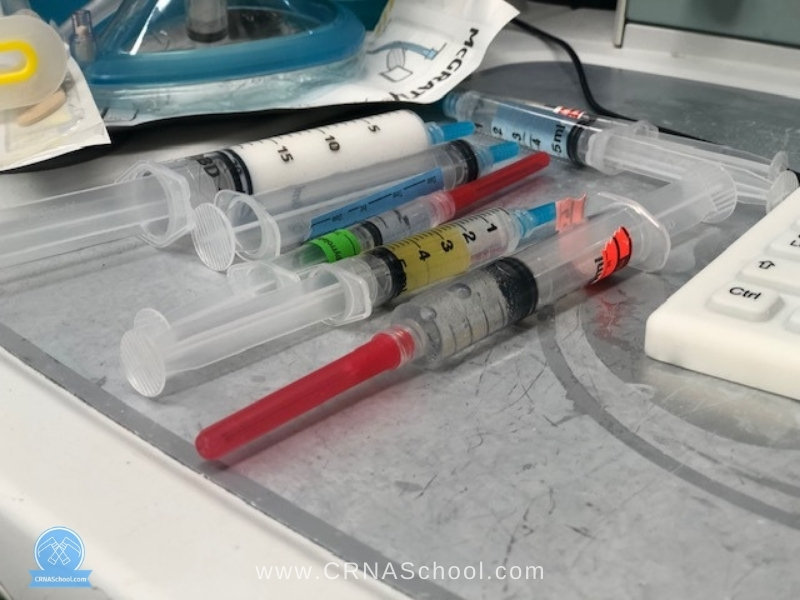
    And as a CRNA resident, it all boils down to setting up an ideal operating room. This includes checking the anesthesia machine and drawing up the needed medications.

    To avoid forgetting anything, remember the SAMMTIDE mnemonic:

    • Suction
    • Airway
    • Machine
    • Monitor
    • Tape
    • IV Fluid
    • Drugs
    • Equipment

    2. Pre-operative Preparations

    Now that the OR is set up, the next step is to assess the patient. It’s important to read through the patient’s history and medication intake. You also need to note previous reactions, laboratory results, and other pertinent information. Doing so will help you compute allowable blood, among many other things.

    In essence, this assessment will help you create a comprehensive anesthesia plan. Additionally, it can prepare you for airway or bleeding problems.

    As a resident, you need to refer your plan to the preceptor. This will ensure that all bases are entirely covered.

    3. Anesthesia Induction

    You need to take the initial vital signs and pre-oxygenate the patient.

    After this, it’s time to induce anesthesia by giving any of the following medications:

    • Propofol
    • Fentanyl
    • Rocuronium
    • Lidocaine

    Once the drugs kick in, the next step is to intubate the patient to insert an ET tube or laryngeal mask airway. With this, you can hook the patient to the machine and deliver the anesthetic gas. 

    Once the patient is under anesthesia, the surgeon can start with the procedure.

    Things to Do as a CRNA resident

    4. Finishing Up

    After the surgery, it’s time to turn off the gas and wake the patient up. Once the patient regains consciousness, you can extubate and transfer them to the PACU.

    CRNAs are not only involved in the intraoperative process but in post-op care as well. That said, it’s vital to watch the patient for a few minutes in the PACU. This will help ensure that the client is stable and comfortable.

    Before you go back to the OR, remember to hand off your anesthetic report.

    Things to Do as a CRNA resident

    Preparing for Nurse Anesthesia School Clinical Residency

    Even if you have excelled in online nurse anesthetist programs, residency is different. You can, however, prepare yourself by following these tips:

    Come in prepared.

    Read your books, notes, and lectures before going to the OR. Like preparing your machine, your mind should be sharp as well. Who knows? The anesthesiologist or the CRNA may ask you a question (or 12).

    Take the initiative.

    There will be times when there are not a lot of cases. Instead of doing nothing, observe other providers. Better yet, offer your help – even if it’s only pre-op interviews.

    Know that not everything will be smooth-sailing.

    Your first surgery may be perfect, and your second a disaster. While this may throw your confidence off, it’s a way for you to prove your abilities as a CRNA. 

    Be open to feedback.

    “Taking constructive criticism from others is required to get to the next level.”

    – Wendy Starland

    While some may be disheartening, you should use these to improve yourself. Those who offer feedback have been dealing with anesthesia for years. Remember, it’s all part of the learning curve.

    Be ready to deal with different personalities.

    You will be working with a variety of people: doctors, licensed CRNAs, etc. Some will be helpful, and some will not. In any case, you need to be ready to interact with these personalities.

    Be professional.

    It’s better to be early than late. It’s essential to make a good impression with the people around you.

    Don’t forget to say thank you to everybody who helped you in the OR.


    What Happens after CRNA Residency?

    After finishing residency and other CRNA school requirements comes graduation.

    Once you’ve earned your degree, you may take the National Certification Examination (NCE).

    The NBCRNA oversees this test. It’s also the last step you need to take to become a full-fledged CRNA.

    The NCE aims to measure the knowledge, abilities, and skills required of a CRNA. You may take it for a maximum of 3 hours.  

    The exam consists of 70 content outline questions and 30 non-graded pretest questions. The maximum number of questions you can answer is 170.

    NCE questions cover the following topics:

    • Basic science
    • Equipment & instrumentation
    • General anesthesia principles
    • Anesthesia for special procedures & populations and 30 random, non-graded pretest questions

    The above-mentioned questions come in the following formats:

    • Multiple correct responses
    • Calculations
    • Drag and drop
    • Hotspot
    • Graphics or video
    National Certification Requirements for CRNA Professionals

    National Certification Requirements for CRNA Professionals

    To be eligible to take the NCE, you need to have:

    • An unrestricted license as an RN and/or APRN
    • Completed an accredited nurse anesthesia educational program within the last 2 years

    Remember: it’s not enough to have CRNA qualifications and capabilities. You may be ineligible to take the test if you are:

    • Diagnosed with any substance use disorder
    • Decreed physically or mentally incompetent by a court or regulatory authority
    • Documented with allegations of misconduct, malpractice, or unethical conduct
    • Subjected to disciplinary action due to cheating or unethical behavior in school
    • Convicted or pleaded no contest to a crime

    The NBCRNA will provide the notice of eligibility 1 to 5 days after document submission.

    Passing the test will make you a certified nurse anesthetist. 


    Final Words

    Nurse anesthetist residency is a long 2-year path, but it’s worth it. It leads to your certification, after all.

    While it is very challenging, it is an irreplaceable learning experience. What you learn from here will prove vital in your practice as a future CRNA. 

  • What Experience Do I Need to Become a CRNA?

    What Experience Do I Need to Become a CRNA?

    A CRNA represents one of the most advanced specialties in nursing. For this reason, nurse anesthetists continue to be in demand and many nurses seek to advance their career by becoming a CRNA.

    The minimum experience you need to become a CRNA is at least one year of experience in a clinical setting. Hours of work in critical care areas such as cardiac care units, emergency rooms, or intensive care units are usually required before being accepted into the CRNA program.

    The nursing career is one of the most rewarding careers available. Are you considering a nursing career or advancing your nursing career? Read on.


    https://twitter.com/dan_lovinaria/status/1400515864336678916

    What is a CRNA?

    A CRNA is a registered nurse who administers anesthetics to patients, provides post-surgical care, and monitors their vital signs. CRNAs work in emergency rooms, clinics, outpatient settings, and intensive care units of hospitals. 

    As a CRNA, you’ll need these skills:

    • Interpersonal communication
    • Teamwork
    • Verbal and written communication
    • Emotional intelligence
    • Stamina
    • Organization
    • Time management

    Requirements for Nurse Anesthesia Educational Programs

    What does a CRNA do?

    A CRNA provides critical care through the safe delivery of anesthetics to patients in need of pain management. CRNAs oversee the anesthesia process, monitor vital signs throughout the surgical procedure, and provide specialized care after a surgical procedure. A CRNAs’ daily routine also involves:

    • Requesting diagnostic studies
    • Educating patients about side effects and risks
    • Creating anesthetic plans
    • Examining patient’s medical history. 
    • Administrative duties like managing finances and training staff.

    What are the Steps to Become a CRNA

    Earning a CRNA involves several years of schooling. Here are the steps to become a CRNA:

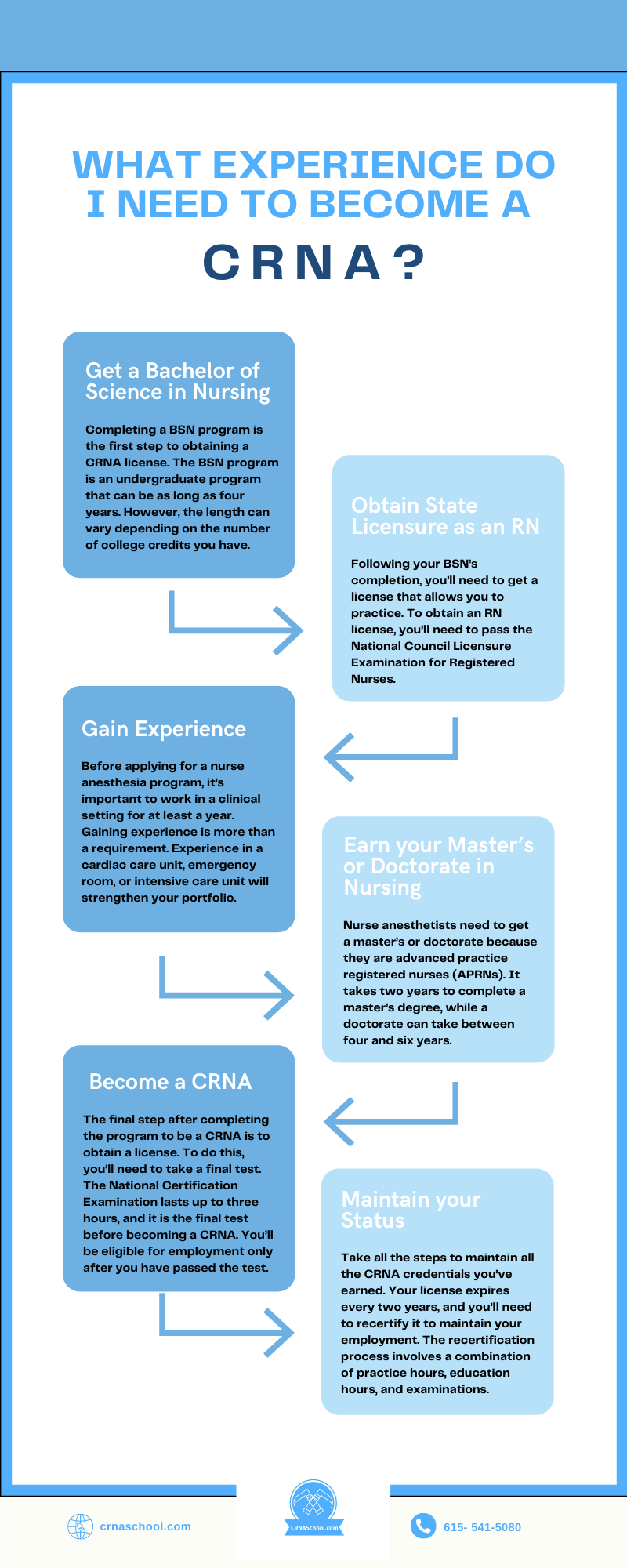
    1. Get a Bachelor of Science in Nursing

    Completing a BSN program is the first step to obtaining a CRNA license. The BSN program is an undergraduate program that can be as long as four years. However, the length can vary depending on the number of college credits you have. 

    The accelerated BSN program is designed for bachelor’s degree holders in unrelated fields. With the accelerated BSN program, you can earn your BSN within 11 months. Maintaining an average grade point of 3.0 is important, especially if you want to later earn a master’s degree. 

    CRNA Requirements

    2. Obtain State Licensure as an RN

    Following your BSN’s completion, you’ll need to get a license that allows you to practice. To obtain an RN license, you’ll need to pass the National Council Licensure Examination for Registered Nurses. 

    The License requirement is different for each state. Therefore, you’ll need to carry out extensive research if you want to move to a different state later on. 

    3. Gain Experience 

    Before applying for a nurse anesthesia program, it’s important to work in a clinical setting for at least a year. Gaining experience is more than a requirement. Experience in a cardiac care unit, emergency room, or intensive care unit will strengthen your portfolio. 

    Earning a Critical Care Registered Nurse Certification can help you get accepted into the CRNA program. Some programs will require you to complete hours of work in critical care situations before you can earn the certification. 

    How to Become a Nurse Anesthetist

    4. Earn your Master’s or Doctorate in Nursing

    Nurse anesthetists need to get a master’s or doctorate because they are advanced practice registered nurses (APRNs). It takes two years to complete a master’s degree, while a doctorate can take between four and six years. 

    With a master’s degree, you can enter the workforce sooner than you would if you were working on a Ph.D. . However, the Ph.D. will increase your chances of achieving a higher position. Here are some of the requirements you’ll need, irrespective of the program you choose:

    • College transcripts
    • BSN degree
    • Minimum of two years working experience as an RN
    • Proof of a valid RN license
    • 3.0 GPA in college
    • Specialized certifications
    • Experience shadowing a CRNA  anesthesiologist 
    • Background check
    • Goal statement or personal essay
    • One year of experience working in the intensive care unit. 

    One of the most important things to do is to research the requirements of your school of choice. You must ensure that the school is accredited.

    CRNA Accredited Schools

    5. Become a CRNA

    The final step after completing the program to be a CRNA is to obtain a license. To do this, you’ll need to take a final test. The National Certification Examination lasts up to three hours, and it is the final test before becoming a CRNA. You’ll be eligible for employment only after you have passed the test. 

    Experience Needed for CRNA

    6. Maintain your Status

    Take all the steps to maintain all the CRNA credentials you’ve earned. Your license expires every two years, and you’ll need to recertify it to maintain your employment. The recertification process involves a combination of practice hours, education hours, and examinations. CRNAs will need to recertify their CRNA certification and their state-level APRN.


    Is a CRNA Degree Right for Me?

    The CRNA program won’t be a great choice for you if you like an easy and predictable job. The CRNA course is demanding and rigorous. Once you’ve become a CRNA, you’ll find yourself in cases that require critical thinking. 

    As a CRNA, you’ll need a high level of preparedness and responsibility. The job can be exciting, and it’s filled with many interesting moments. A CRNA role will be right for you if you are looking for a highly-respected and highly-compensated job. 


    https://www.youtube.com/watch?v=vuY9g3q2GvY

    Frequently Asked Questions

    There are so many questions surrounding the CRNA career because of the nature of the professional education and employment involved.

    Here are some frequently asked questions:

    1. How long is a CRNA education program? The CRNA program takes up to 36 months to complete. It includes clinical and classroom experience work. The curriculum includes physiology, chemistry, pharmacology, physics, pathophysiology, anatomy, and biochemistry. 
    2. Where do CRNAs work? Most CRNAs work in medical settings like ambulatory surgery centers, traditional hospitals, pain clinics, and doctor’s offices. Some work in the private sector, while others in the public sector. You’ll find many CRNAs working as independent contractors for hospitals and physicians. 
    3. How does a nurse become a CRNA? As a nurse with a BSN and an RN license, you can apply for the CRNA program. Once you graduate, you’ll need to pass the National Certification Examination to become a CRNA. 
  • How To Increase Nurse Anesthetist Career Advancement

    How To Increase Nurse Anesthetist Career Advancement

    If you’re a nurse or nursing student who is trying to decide which career path to take, you have many options. Sometimes it can be hard to decide which way to go. One option to consider is becoming a CRNA or certified registered nurse anesthetist.

    To advance in a nurse anesthetist career, you must first become a registered nurse. And this is just the first of many steps that you need to take.

    How Many Years to Become a Nurse Anesthetist

    A CRNA is a great choice to make. A CRNA is an advanced practice nurse who specializes in anesthesia. They administer anesthesia to patients having surgery and are vital to surgical teams.

    If you want to become a nurse anesthetist, there are many things that you’ll need to know. What exactly are their responsibilities? What are the benefits of becoming a CRNA? This post is here to answer those questions.


    What Does a CRNA Do?

    A nurse anesthetist is responsible for a patient from the pre-op area all the way through the recovery room. A CRNA, though, has many specialist tasks which only they can perform. Essentially, they give anesthesia and monitor patients through its duration of action. The CRNA is there to make sure the patient goes under safely and comes out fine. 

    The CRNA is in charge of anesthesia on their own. In some workplaces, he or she may be part of a team with an anesthesiologist.

    Experience Needed for CRNA

    Here are some of a CRNA’s responsibilities:

    • The nurse anesthetist assesses the patient’s physical state before the surgery. He or she will make sure that the patient’s condition is safe for anesthesia.
    • A CRNA will talk with the patient before the surgery. This is to ensure that the patient understands the process and what will happen. It also helps to reassure patients and take care of any fears they may have. CRNAs will also discuss the recovery process in detail.
    • After the CRNA has informed the patient of the process, he or she can then obtain consent. Consent is the official means of getting permission to allow the team to go ahead with the procedure.
    CRNA Qualifications and Capabilities
    • The nurse anesthetist is also qualified to prepare anesthetic solutions. He or she will make sure that the dosage of the anesthetic is precise for the specific patient. Anesthetics can cause serious side effects if administered incorrectly. This is why CRNAs have to earn the qualifications to enable them to handle such substances.
    • The CRNA also administers the anesthetic drugs in the precise amount required.
    • Once the patient is under, the CRNA’s job is to maintain that state. The effects of anesthesia should not wear off until the procedure is over.
    • The nurse anesthetist also ensures the patient remains stable through the surgery. He or she will remain with them and monitor vital signs. 
    • After the surgery is complete, the nurse anesthetist comes in again. He or she must ensure that the patient comes out of anesthesia. The nurse anesthetist will also monitor the patient’s post-op recovery before transfer.
    Education Requirements for CRNA

    What Are the Benefits of Choosing a Nurse Anesthetist Career?

    There are many advantages to becoming a CRNA. They include the following:

    • The pay is excellent. Nurse anesthetists are the highest-paid nurse specialization. Naturally, this attracts many to the field. However, even for those who have a genuine desire to become a CRNA, the pay is a very good incentive. 
    • Many people accord them much respect. Being a CRNA comes with a lot of respect from healthcare workers. They are an important part of medical teams and this is often recognized. The time and dedication it takes to become a CRNA is also something many people recognize. This explains their frequent involvement in many administrative processes. The judgment of a CRNA is held in high esteem!
    • The freedom to make clinical decisions. In the medical field, many people wish to make their own decisions. After years of working, it may sometimes be monotonous acting on other people’s decisions. A nurse anesthetist gets the independence to make decisions on their own. They can make plans and choices that ensure the patient remains in the best of health. This autonomy is a major advantage to many people.

    https://twitter.com/DrLenaG/status/1381725153235763200

    How to Advance Towards a Nurse Anesthetist Career

    Before you make that decision to work towards being a CRNA, see if you can shadow a nurse anesthetist on the job. This will give you the best exposure to a CRNA’s daily work life. It will help you see all the benefits firsthand, and will increase your interest!

    If you have already been able to shadow, you’ll know if becoming a CRNA is something you have an interest in or not. If it is, then great! It is important to know that it takes a lot of steps to finally get to the last stage, which is CRNA. If you have the dedication, you can do it!

    CRNA Requirements

    Here is a brief overview of the steps you need to take to become a nurse anesthetist!

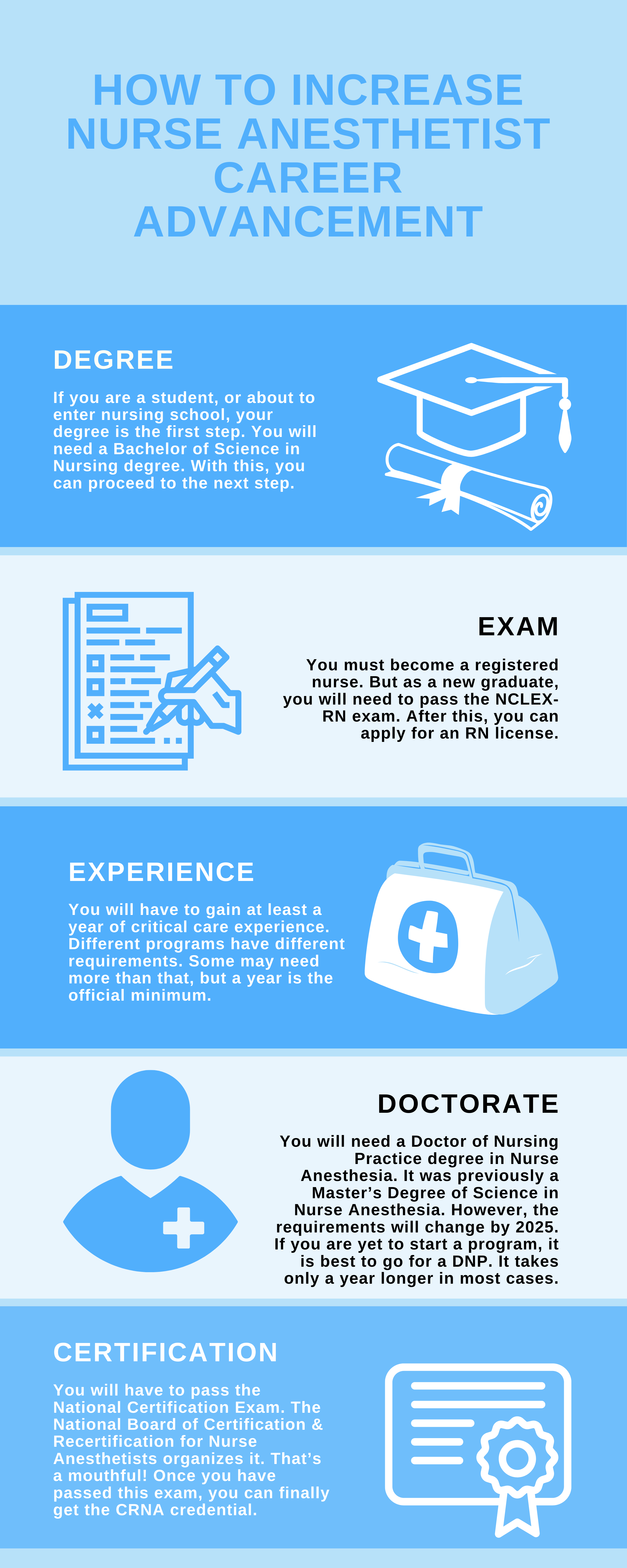
    1. If you are a student, or about to enter nursing school, your degree is the first step. You will need a Bachelor of Science in Nursing degree. With this, you can proceed to the next step.
    2. You must become a registered nurse. But as a new graduate, you will need to pass the NCLEX-RN exam. After this, you can apply for an RN license.
    3. You will have to gain at least a year of critical care experience. Different programs have different requirements. Some may need more than that, but a year is the official minimum.
    4. Now, you will need a Doctor of Nursing Practice degree in Nurse Anesthesia. It was previously a Master’s Degree of Science in Nurse Anesthesia. However, the requirements will change by 2025. If you are yet to start a program, it is best to go for a DNP. It takes only a year longer in most cases.
    5. Now comes the final step. You will have to pass the National Certification Exam. The National Board of Certification & Recertification for Nurse Anesthetists organizes it. That’s a mouthful! Once you have passed this exam, you can finally get the CRNA credential.
    https://www.youtube.com/watch?v=vuY9g3q2GvY

    This is a summary of the steps you will need to take. Some of these steps will have more complexity to them, but this is the basic state of things. 

    There are many rewards to being a CRNA. As an RN or a student, you should consider whether this is the right step for you.

    It is important to keep in mind that becoming a CRNA takes a lot of dedication. It’s going to take time, but in the end, it is worth it.

  • Is It Possible To Become A CRNA Online?

    Is It Possible To Become A CRNA Online?

    Certified Registered Nurse Anesthetists are advanced practice nurses (APNs) that specialize in anesthesia. With almost any skill learned online these days, you might be wondering: can you become a nurse anesthesiologist online?

    Yes, it’s definitely possible to become a CRNA online. Aspiring nurse anesthetists can take advantage of online programs to obtain their degrees. Online programs are available from undergraduate programs all the way up to recertification. Online programs for CRNA usually work well to build a student-faculty relationship unaffected by distance learning.

    A CRNA possesses a great deal of independence and knowledge that they acquire with proper training and licenses. One mistake could be fatal to the patient.

    They understand the correct administration of drugs, and support surgeons, anesthesiologists, and patients in all types of surgeries and healthcare settings. 

    Certified registered nurse anesthetists play an essential role in the healthcare system. They fulfill their job requirements like any other medically-trained anesthesiologist. They are a subset of advanced practice nursing, but they follow a faster pathway to joining the labor force.

    Nurse Anesthetist Certification Requirements

    CRNA requirements involve obtaining a BSN and completing health assessment courses, physiology, pharmacology, anatomy, and health assessment. 

    After earning your bachelor’s degree, you can receive your R.N. license and gain a minimum of one year of working experience as an R.N. in a critical care setting.

    The next step is enrolling in an accredited nurse anesthesia program and graduating with a master’s degree. When you complete your education requirements, you must pass the National Certification Examination through the National Board of Certification and Recertification for Nurse Anesthetists.

    Requirements for Nurse Anesthesia Educational Programs

    Although degree programs differ from the others, there are minimum education requirements for CRNA you need to meet. The Council on Accreditation of Nurse Anesthesia Educational Programs enforces these requirements to gain and reserve accreditation. 

    They include:

    • Active R.N. license
    • Minimum of one year of experience as an R.N. in a serious care setting
    • Minimum 3.0-grade point average
    • Requirement courses
    • BSN degree
    • Official transcripts indicating academic success in Bachelors-level degree programs
    • Minimum GRE score of 300 or more
    • Personal letters of recommendation

    As a graduate of the CRNA program, you must pass the National Board of Certification and Recertification for Nurse Anesthetists’ credentialing exam. 

    You must continuously recertify on an 8-year cycle administered using a two-year check-in program to ensure that CRNAs uphold their licensure.

    Online Programs for CRNA

    List of Accredited Programs for CRNA

    How Many Years to Become a Nurse Anesthetist

    In addition to the years of education requirements, a minimum of one year of critical care clinical experience working as an R.N. is required before a person qualifies for entrance into a CRNA school program. In total, it takes about seven to eight years of education to become a CRNA.

    CRNA Accredited Schools

    Several schools are designed to prepare you to become a certified CRNA include:

    • University of Iowa
    • Drexel University
    • University of Minnesota-Twin Cities
    • Columbia University, NY
    • Duke University
    • University of Pennsylvania
    • Wayne State University
    • University of Cincinnati-Main Campus
    • University of Southern California
    • University of Pittsburgh-Pittsburgh Campus
    • Case Western Reserve University
    • Emory University
    • University at Buffalo
    • Rutgers University-New Brunswick
    • University of Kansas
    • University of Connecticut
    • Barry University
    • Loma Linda University
    • Oakland University
    • University of Alabama
    • University of Detroit

    Online Nurse Anesthetist Programs

    Online programs for CRNA prepare you to practice in all settings; however, you might concentrate on a particular department. According to the AANA, CRNA students can usually specialize in one of the following areas:

    • Neurosurgery
    • Pediatrics
    • Cardiovascular
    • Plastic
    • Obstetrics
    • Dental
    Online Nurse Anesthetist Programs

    Experience Needed for CRNA

    Which ICU Experience Is Best for CRNA?

    As a CRNA, you must comprehensively understand how to use various technologies and tools to quickly and efficiently do your job. The most essential tools are the ones specifically related to anesthesia. These include, but are not limited to:

    • Anesthesia inhalers
    • Gas anesthesia apparatus
    • Electronic stethoscopes
    • IV infusion pumps
    • Airway kits
    • Cardiac monitoring units
    • Endotracheal or tracheostomy sets
    • Epidural anesthesia equipment

    As a competent CRNA, you should be skilled with numerous software applications designed for the job. Programs like eClinicalWorks software, ELemis Anesthesia Manager, Skyscape AnesthesiaDrugs, and several others that focus on anesthesia medications, dosages, and usages.

    Nurse Anesthetist Programs

    CRNA Qualifications and Capabilities

    The job of a CRNA goes beyond simply injecting medications. They offer anesthesia to patients undergoing diagnostic, surgical, therapeutic, and obstetrical medical procedures. They offer nerve blocks, spinal blocks, and other kinds of pain relief before, during, and after the process.

    They take a detailed approach to patient care, view records about the patients’ health, talk to the patient before the procedure and answer any questions; they monitor the patient throughout the procedure and make adjustments to ensure a smooth, seamless experience.

    Certification Requirements for CRNA

    COA accredited nurse anesthesia educational programs require a bachelor’s degree, a registered nursing (R.N.) license, and a minimum of one year of experience as a nurse in an acute care setting, according to the American Association of Nurse Anesthetists (AANA)’s CRNA Fact Sheet. Upon completing the program, aspiring CRNAs must pass the national certifying exam to practice as nurse anesthetists.

    CRNA is an advanced major practice for nurses. And even though the main requirements of becoming a certified registered nurse anesthetist vary from state to state, you must graduate from a nurse educational program accredited by the COA and pass the certification examination administered by the National Board of Certification and Recertification for Nurse Anesthetists (NBCRNA)

    Accredited Nurse Anesthesia Educational Program

    Accreditation of programs of nurse anesthesia at the masters, post-masters, or doctoral degree level in the United States is recognized by the Council of Higher Education Accreditation (CHEA) and the U.S. Department of Education (USDE)

    Programs Required to Become CRNA

    • GPA of 3.0 or higher
    • Life support certifications (BLS, ACLS, PALS)
    • Combined minimum GRE of 300 or better.

    Clinical Requirement for CRNA

    To become a CRNA, you must have completed more than 2,000 clinical hours and administered more than 600 clinical cases before graduation. 

    CRNAs can practise in all 50 states but must complete necessary training before graduation. 

    According to the COA Standards for Accreditation, you must meet specific training criteria, including at least one year of critical care nursing experience and a passing score on the National Certification Exam (NCE). 

  • How Many Hours A Week Does A CRNA Work?

    How Many Hours A Week Does A CRNA Work?

    Certified Registered Nurse Anesthetists (CRNAs) administer anesthetics to make treatment and surgeries safer. These professionals also help to ensure patient security and comfort. Anesthesia helps medical procedures. This is because it puts patients in a restful state and ensures that they feel no pain. It also puts the patient in a stationary position so that they don’t move during the operation. 

    Anesthesia treatment involves an education session between the patient and the nurse anesthetist. The nurse enlightens the patient on the anesthesia’s possible side effects. They also provide answers to questions the patient may ask. 

    CRNAs work in different communities, and they come from all walks of life. CRNAs are the sole providers in about 100% of all rural hospitals. This is from the American Association of Nurse Anesthetists (AANA) reports.

    Experience Needed for CRNA

    What Does a CRNA Do Every Day?

    Nurse anesthetists check patients undergoing medical procedures such as surgery. A typical day involves the following:

    • Managing patients’ airways 
    • Preparing and administering drugs before and after anesthesia
    • Observing patients’ reactions to drugs. 
    • Administering epidurals in maternity wards 
    • Performing pre-anesthesia screenings to determine a patient’s risk. 

    CRNAs also perform the following: 

    • Pre-op and post-op rounds 
    • Respond to codes 
    • Place central lines 
    • Place and manage labor epidurals.
    • Ventilatory management
    • Consults for pain management. 

    CRNAs also inspect patients’ medical records to better understand how they may react to anesthesia treatment. The medical procedure will be more difficult if the patient does not respond well to the anesthesia. 

    Nurse anesthetists also help check:

    • Vital signs and the patient’s blood pressure
    • Heart rate, body movement, and body temperature. 

    All this is to ensure that the patient will react well to the treatment. 

    CRNA Requirements

    What’s A CRNAs’ Schedule Like?

    Surgeons are often choked up with demanding schedules. Their duties range from pre-determined schedules to responding to emergencies. CRNAs tend to have busier schedules because they need to be present for most surgeries. Their schedules are often busier than that of surgeons. CRNAs are even busier when they work at hospitals with obstetrics.  

    CRNAs hours depend on different factors. Things like how often they work, where they work, and if the hospital is short staffed will affect a CRNA’s hours. Operation hours of the facility, patient load, and if a nurse calls out sick can also increase a CRNA’s hours on short notice. 

    A nurse anesthetist can work for health clinics and private practices. They can also work in doctor’s offices. These work settings usually have firm  “official hours”. Thus, the nurses only work during those official hours, with usually no overtime. The official hours might be from 8 am to 5 pm on weekdays, equal to 40 to 50 hours a week. 

    It is different for nurse anesthetists that work in hospitals. Their work hours are different when compared to those that work in private practices. Nurse anesthetists in hospitals work shifts between 8 to 24 hours. It depends on the hospital’s demands. They also work overtime if they decide to, or when they need to.

    Nurse anesthetists that have longer shifts work fewer weekly shifts than other nurses. Nurses with 8 to 12 hours shift work 3 to 5 times weekly. Nurses working more than 16 hours a day work only two times a week. So it is quicker for a nurse working longer shifts to reach 40 hours a week of work.

    Who do CRNAs work for?

    CRNAs work on a more autonomous schedule than traditional registered nurses. CRNAs can work without supervision from an anesthesiologist. They can also work as individual providers or in an anesthesia care team. 

    When they work as individual providers, they make decisions without any supervision. When in the anesthesia care team, they may consult a supervisor or a doctor before deciding how to proceed. 

    CRNA Requirements -

    CRNAs Working Conditions

    The typical work setting for nurse anesthetists includes the following:

    Interpersonal Relationships

    • Nurse anesthetists usually work in surgical teams.
    • They are responsible for the work done by other health professionals.
    • They are  responsible for the safety and health of their patients 
    • They may face conflict situations that cause stress and anger in  others
    • Communicate in person or by phone. Nurse anesthetists can also use email to communicate with other healthcare givers.
    • Nurse anesthetists have a high level of social interaction. This is because they talk with nurses, patients, and doctors daily. 

    Physical Work Conditions

    • Nurse anesthetists are sometimes exposed to different harsh conditions. This includes contaminations, radiation, distracting or loud sounds, and other hazardous conditions. 
    • They always work indoors.
    • Nurse anesthetists are also exposed to diseases and infections of different patients daily. This is because they are always in close contact with these patients. 
    • They wear protective or safety gear like surgical masks, latex gloves, and scrubs. 

    Work Performance

    • Nurse anesthetists make decisions that have a strong impact on patients’ health. They may sometimes consult doctors on some decisions or make decisions on their own. 
    • They must be accurate in their work. Errors must never happen because they can endanger the patients’ health. 
    • They can set daily tasks without consulting any supervisor.
    • The work atmosphere is fast-paced for nurse anesthetists. Their daily routines are structured around surgical procedures. 
    • Nurse anesthetists repeat the same physical and mental activities daily. 

    Hours/Travel

    Nurse Anesthetists generally work on a set schedule. Their work may be part-time or full-time, but it is generally at least 40 hours per week. Nurse anesthetists sometimes work early mornings, nights, or weekends. This depends on the setting and practice. They may be on-call sometimes.

    Conclusion

    Nurse anesthetists usually have many responsibilities requiring them to work several hours. Their work is unique compared to other nurses. The burden on CRNAs is usually more when they work in a hospital. 

    CRNAs have longer shifts when they work in healthcare facilities that operate 24/7. They sometimes work against variables beyond their control. But, it increases their experience, and they get paid for the time they work. Working extra hours is also beneficial to CRNAs.

    Nurse anesthetists that work in an office setting only work during official hours. This implies that they can only work for 40 or 50 hours a week. Their hourly pay is more than hospital nurses. However, nurse anesthetists with hospital experience are the most sought-after.